The Hunza Diet: What People There Actually Eat — and What the Longevity Story Gets Wrong
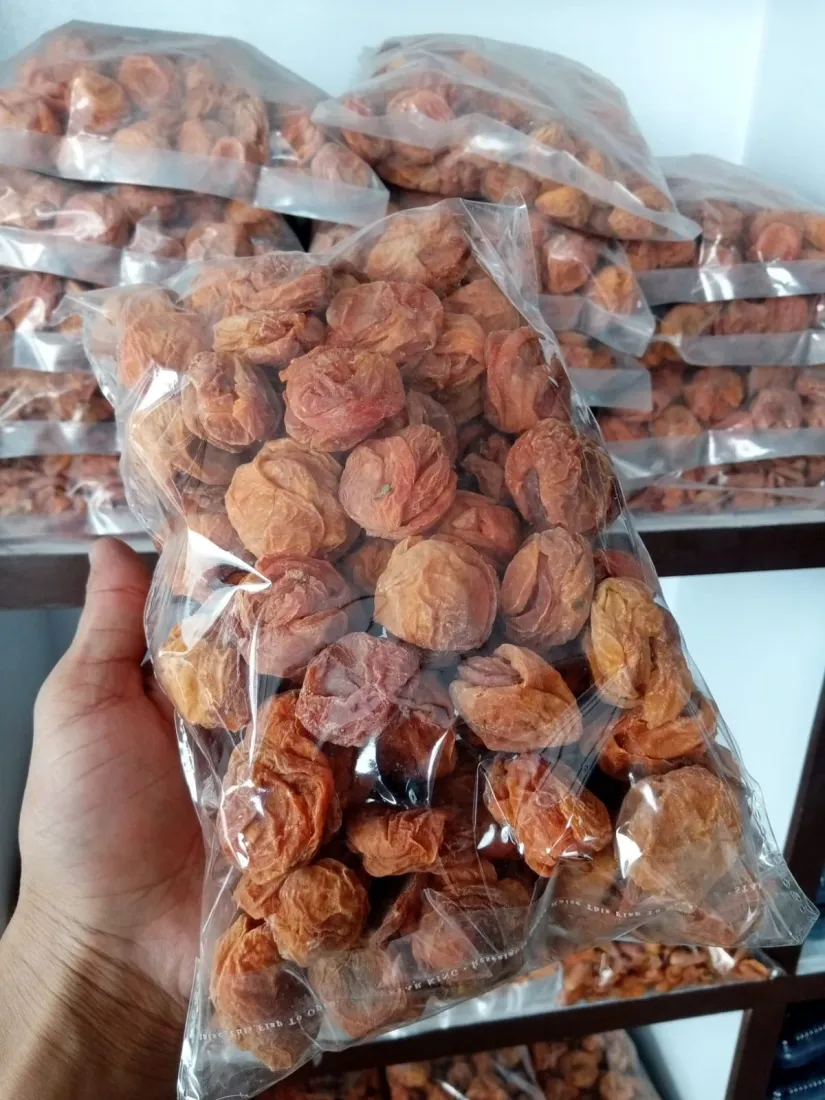
You have read that the Hunza live to 120 on apricots and glacier water. That story is not true, and the real Hunza diet is more interesting than the myth. Here is what the valley actually eats, and where the legend came from.
Where the legend came from
The idea of Hunza as a valley of 120-year-olds was largely built by two writers — G. T. Wrench and, later, J. I. Rodale, who popularised it in The Healthy Hunzas. Rodale never visited Hunza. The claims were not based on birth records, because the valley did not keep them, and no reliable documentation of Hunza supercentenarians has ever been produced.
The person who did spend real time there was John Clark, an American who lived in the valley for twenty months as a doctor. He treated over five thousand patients, for malaria, dysentery, worms, trachoma and malnutrition. His account of Hunza health was very far from Shangri-La.
We are a Gilgit-Baltistan marketplace, so repeating the myth would be good for business. We would rather you trusted us about the apricots.
What is actually on the table
Strip out the fantasy and the traditional Hunza diet is still a genuinely good one, for ordinary and well-understood reasons.
- Whole grains, not refined ones. Wheat, barley, millet and buckwheat, ground locally and eaten as chapati. Very little white flour, very little sugar.
- Apricots, in every form. Fresh in summer, sun-dried for winter, kernels eaten as a snack, and the kernels pressed into oil used for cooking and for skin. Households keep apricot trees the way other places keep a vegetable patch.
- Nuts and pulses over meat. Walnuts, almonds and apricot kernels do much of the protein work. Meat was traditionally occasional, not daily — often a winter and celebration food.
- Vegetables and fruit in season. Eaten fresh, often raw, and preserved by drying rather than by sugar or canning.
- Walking, constantly. This is the part diet articles skip. Terraced farming on steep ground means hours of physical work every day, at altitude, for a whole life.
The parts worth borrowing
Nothing on that list is magic, and that is the point. Whole grains instead of refined flour, fruit dried instead of sweetened, nuts instead of processed snacks, a mostly plant-based plate, and a great deal of walking — that is a good diet anywhere. It does not need a legend to be worth copying.
What Gilgit-Baltistan genuinely does have is the produce: apricots grown at altitude in dry, clean air, sun-dried on rooftops without sulphur, and pressed for oil rather than thrown away.
- Sun-dried apricots — why the honest ones are brown, not orange
- Apricot kernels (khubani giri) — sweet versus bitter
- Apricot oil — what the valley does with the rest of the stone
- Buckwheat — the gluten-free mountain grain
So is there anything to the longevity claim?
There is no evidence for extreme lifespans. There is a reasonable case that a traditional diet low in sugar and refined flour, high in fruit, nuts and whole grains, combined with lifelong physical work, produces better health in old age than a modern sedentary diet does. That is a modest claim, and unlike the myth, it survives contact with the evidence.
Quick answers
Do Hunza people really live to 120? No. There is no reliable documentation of it. The claim was popularised by writers, one of whom never visited the valley.
What do Hunza people actually eat? Whole grains such as wheat, barley and buckwheat as chapati; apricots fresh, dried and pressed as oil; walnuts, almonds and apricot kernels; seasonal vegetables and fruit; and comparatively little meat.
Is the Hunza diet healthy? The traditional pattern — low sugar, low refined flour, high fruit, nuts and whole grains, with constant physical activity — is a sound one. The extraordinary claims attached to it are not supported.
Why are apricots so central in Hunza? The tree suits the climate and nothing from it is wasted: fruit fresh, fruit dried for winter, kernels eaten, kernels pressed for cooking and skin oil.