 ✓ Authentic · Gilgit-Baltistan
Sweet Apricot Kernels (Khubani Giri) from Hunza & Skardu
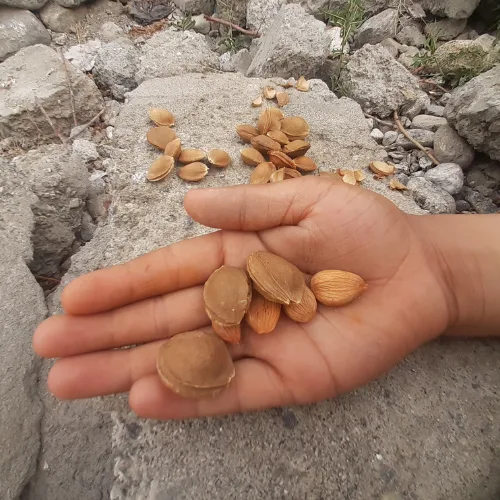
Crack an apricot stone and inside is the kernel — khubani giri — a small almond-shaped seed with a mild, sweet, marzipan-like taste. In the apricot valleys of Gilgit-Baltista…
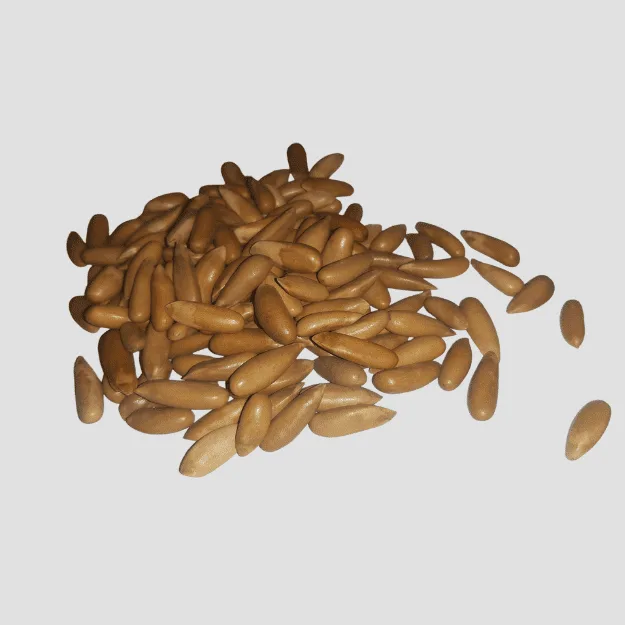
About Sweet Apricot Kernels (Khubani Giri) — Shelled, Organic
Ours are SWEET kernels, shelled and ready to eat. That distinction matters and we will not blur it: sweet kernels are the edible variety and are what we sell. Bitter kernels are a different thing entirely, and are covered honestly in the questions below.
Benefits of Sweet Apricot Kernels (Khubani Giri) — Shelled, Organic
- ✓About half healthy fats and a quarter protein
- ✓High in fibre — supports digestion
- ✓Rich in vitamin E for skin
- ✓Contains iron, magnesium and potassium
- ✓Source of omega fats and thiamin
- ✓A filling, slow-release energy snack
- ✓Traditional winter food of the apricot valleys
- ✓Organic, sun-dried and shelled by hand
Ways to enjoy Sweet Apricot Kernels (Khubani Giri) — Shelled, Organic
- Eaten raw as a daily snack
- Lightly roasted with salt
- Ground into winter soups and porridge
- Crushed over kheer, halwa and desserts
- Blended into smoothies and nut milks
- Mixed into homemade granola and energy bars
How to use Sweet Apricot Kernels (Khubani Giri) — Shelled, Organic
- 1Eat a small handful (about 10–15 kernels) a day as a snack
- 2To roast: dry-roast on low heat for 3–4 minutes until they smell nutty
- 3Soak overnight in water for a softer texture and easier digestion
- 4Grind with milk for a traditional mountain drink
- 5Store in an airtight jar in a cool, dark place
Sweet kernels vs bitter kernels — the honest answer
Why Hunza and Skardu kernels are different
From kernel to oil
Frequently asked questions
What are apricot kernels (khubani giri)?
Apricot kernels, or khubani giri, are the almond-shaped seeds found inside apricot stones. The sweet variety has a mild, nutty, marzipan-like taste and is eaten as a snack across Gilgit-Baltistan.
Are apricot kernels safe to eat?
Sweet apricot kernels — the type sold here — contain little to no amygdalin and are eaten as an everyday food in the apricot valleys. Bitter kernels are a different variety, contain significant amygdalin, and should not be eaten by the handful. If a kernel tastes bitter, do not eat it.
What is the difference between sweet and bitter apricot kernels?
Taste is the test. Sweet kernels are mild and nutty; bitter kernels are sharply bitter because of their amygdalin content. Sweet kernels are food. Bitter kernels are traditionally used for pressing oil, not for eating.
How many apricot kernels can I eat in a day?
A small handful — roughly 10 to 15 sweet kernels — is a normal daily serving, the same as any nut. They are rich in fat and filling, so most people do not want more than that anyway.
What are the health benefits of apricot kernels?
They are about half healthy fats and a quarter protein, with fibre, vitamin E, iron, magnesium and potassium. That combination supports digestion, skin and steady energy, which is why they are a traditional winter food in the mountains.
How should apricot kernels be stored?
In an airtight jar, in a cool dark place. Like all high-oil nuts they turn rancid in heat and sunlight, so keep them away from the stove and the window.
More product stories
Ready to order Sweet Apricot Kernels (Khubani Giri) — Shelled, Organic?
Cash on Delivery · Delivery across Pakistan · 100% authentic from Gilgit-Baltistan.
Shop Apricot Kernels · $5.06