How to Check if Your Shilajit Is Real — 4 Home Tests, and the One They Cannot Do
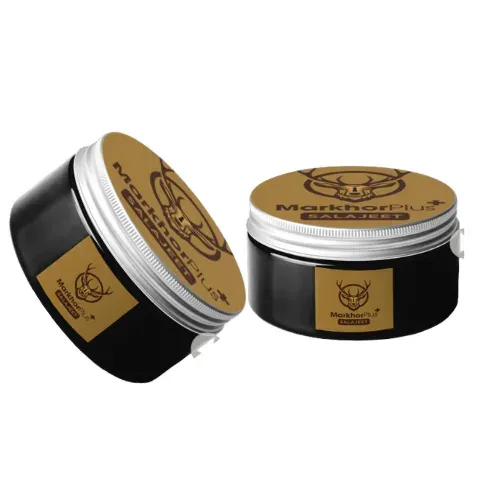
Shilajit — salajeet — is one of the most faked products in Pakistan, because tar, wax and cheap resin look identical in a jar. These four home tests separate obvious fakes from real resin, and one thing no home test can check.
What real shilajit is
Shilajit is a mineral-rich resin that seeps out of rock faces at high altitude in the Karakoram and Himalaya during the warm months. It is scraped, filtered and purified. It is not manufactured, it is not farmed, and the supply is genuinely small — which is exactly why the market is full of imitations made from tar, wax, clay, cheap plant resin or shilajit heavily cut with fillers.
Four tests you can do at home
1. The warm water test
Drop a rice-grain-sized piece into a glass of warm water and wait. Real shilajit dissolves completely in five to ten minutes, turning the water a deep golden-brown to black, with no grit at the bottom and no film on the surface. Fakes leave sediment, cloudiness, or a greasy ring around the glass.
This is the single most useful test, and the easiest to do honestly.
2. The heat and cold test
Real resin responds to temperature. Warm it between your fingers and it softens and becomes tacky; put it in the fridge and it firms up until it can shatter. Something that stays exactly the same soft plasticine texture at every temperature is usually not resin.
3. The alcohol test
Real shilajit does not dissolve in alcohol. If a sample disperses into alcohol, it likely contains additives that do.
4. Smell and taste
Genuine shilajit smells earthy and mineral — like wet stone — and tastes distinctly bitter. Sweetness is the loudest warning sign there is: real resin is never sweet, so a sweet note means something has been added.
The test you cannot do at home
Here is the part most sellers leave out. None of the above detects heavy metals. Shilajit comes out of rock, and unpurified or badly purified resin can carry lead, arsenic or mercury with it. No amount of warm water tells you that. Only a laboratory report does.
This matters more than any of the four tests above, because a fake that is merely wax is a waste of money, while unpurified resin is a health question. When you buy shilajit, ask where it was collected and how it was purified. A seller who cannot answer either is not a seller you should buy a mineral resin from.
Resin, powder or capsule?
Resin is the traditional form and the easiest to test — you can see it, warm it, dissolve it. Powders and capsules are convenient but opaque: you cannot run a single one of the tests above on a capsule, so you are trusting the label entirely. If you are new to shilajit, start with resin for that reason alone.
How much, and how
A portion the size of a grain of rice to a small pea, dissolved in warm water or milk, once a day. It is a bitter, mineral drink, not a dessert. More is not better with a resin this concentrated.
We sell Markhor Salajeet from the Karakoram and have written up what it is, how it forms and how to take it: read the full salajeet guide →
Quick answers
Does real shilajit dissolve in water? Yes — completely, in warm water, within about five to ten minutes, leaving no grit or surface film.
Should shilajit taste sweet? Never. Real shilajit is bitter and earthy. Sweetness means something has been added.
Can a home test tell me if shilajit is safe? No. Home tests catch obvious fakes. They cannot detect heavy metals, which is the actual safety question — that needs a laboratory report.
Is salajeet the same as shilajit? Yes. Salajeet is the Urdu and Persian name for the same resin.