Asli Shehad Ki Pehchan: How to Test Pure Honey at Home (and What the Tests Miss)
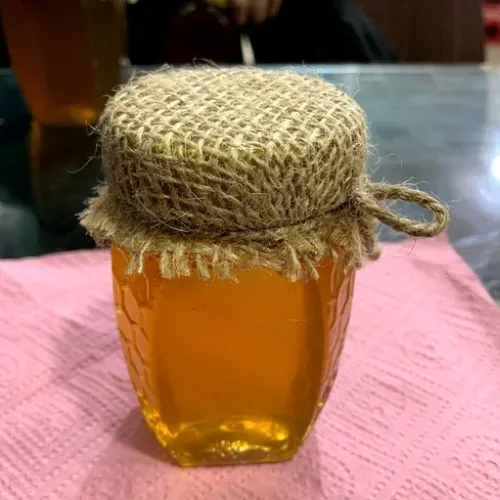
Most honey sold in South Asia is cut with sugar syrup — a widely reported study of major brands found 77% of samples adulterated. Here are the home tests for asli shehad, what each one actually proves, and the one thing no kitchen test can tell you.
Why adulterated honey is so common
Honey is expensive to produce and cheap to fake. Glucose syrup, invert sugar and rice syrup all look like honey, pour like honey and taste sweet. Commercial testing has repeatedly found that a large share of branded honey on South Asian shelves contains syrup, and the syrups used have become good enough to slip past older laboratory methods.
That is the honest starting point: you cannot assume purity from the label, the price or the brand. You have to look at the honey itself — and know the limits of what looking can tell you.
Five home tests, and what each one really proves
1. The water test
Drop a teaspoon of honey into a glass of cold water. Pure honey is dense and low in moisture, so it tends to sink and sit as a lump at the bottom before slowly dissolving. Syrup-heavy honey disperses quickly and clouds the water.
What it proves: density and water content — a useful first filter, not a verdict. Thin but genuine honey from a wet season can fail this test.
2. The thumb test
Put a drop on your thumb. Real honey holds its shape for a moment before it moves. Adulterated honey runs and spreads immediately because of its higher water content.
What it proves: viscosity. Again, a hint, not proof.
3. Crystallisation over time
This is the most misunderstood sign in Pakistan. Real honey crystallises. Customers return jars thinking sugar has been added, when granulation is exactly what raw, unheated honey does in cold weather — the glucose in it comes out of solution. Honey that never granulates, month after month, has usually been heated hard or heavily processed.
What it proves: that the honey was not over-processed. Different floral sources crystallise at different speeds, so timing varies.
4. Smell and taste
Raw honey carries the flower it came from. Sidr honey is dark, deep and slightly bitter at the finish. Wildflower honey changes from valley to valley and season to season. Syrup-cut honey is flatly sweet and smells of very little.
What it proves: a lot, if you have tasted real honey before — which is the catch.
5. The flame test — skip it
You will see videos dipping a matchstick in honey and lighting it. The claim is that pure honey burns and fake honey will not. The result depends almost entirely on how much moisture is in the sample, so a genuinely raw, higher-moisture honey can fail while a dry syrup blend passes. It is not a reliable test and it is worth ignoring.
What no home test can tell you
None of these tests detect modern syrups blended to mimic honey's sugar profile. Laboratories use isotope-ratio and NMR analysis for that, and no amount of water, thumbs or matchsticks substitutes for it.
So the practical answer for a shopper is not a kitchen trick. It is traceability: knowing the valley, the season and the beekeeper the jar came from. Honey with a name attached to it is much harder to fake than honey with only a label.
What we do about it
Every jar on SkarduApp comes from a named beekeeper in Gilgit-Baltistan and is sold raw and unheated — which is why ours granulates in winter. If you want the detail on what each type actually is, we have written it up:
- Wild Sidr (Beri) honey — what it is, and why it tastes bitter at the finish
- Wild multi-flower honey — how the valley changes the jar
Browse all honey on SkarduApp →
Quick answers
Does real honey crystallise? Yes. Granulation is normal for raw honey in cold weather and is a sign it has not been heavily heated. It is not sugar.
Does pure honey sink in water? Usually, because it is dense and low in moisture. But a genuine honey with higher moisture can disperse faster, so treat it as an indication rather than a verdict.
Is the matchstick test reliable? No. It measures moisture, not purity, and it fails good honey as often as it catches bad honey.
What is the only conclusive test? Laboratory analysis — isotope-ratio or NMR. For a shopper, the practical substitute is buying honey you can trace to a named beekeeper and season.